How to dry a wet dog fast (without soaking the house)
31 October 2026
Rain is part of the deal when you have a dog in Britain. The walk still has to happen. What you can control is the bit afterwards, when a soggy dog meets your clean floor. Here's a simple routine that gets most dogs dry and warm with the least fuss.
Before you set off
Put the drying kit by the door before you leave, not after you get back with a dripping dog on the lead. You'll want:
- two towels: one for the worst of the wet, one for finishing off
- an old towel or mat just inside the door for your dog to stand on
- a few treats, so drying time is a good time
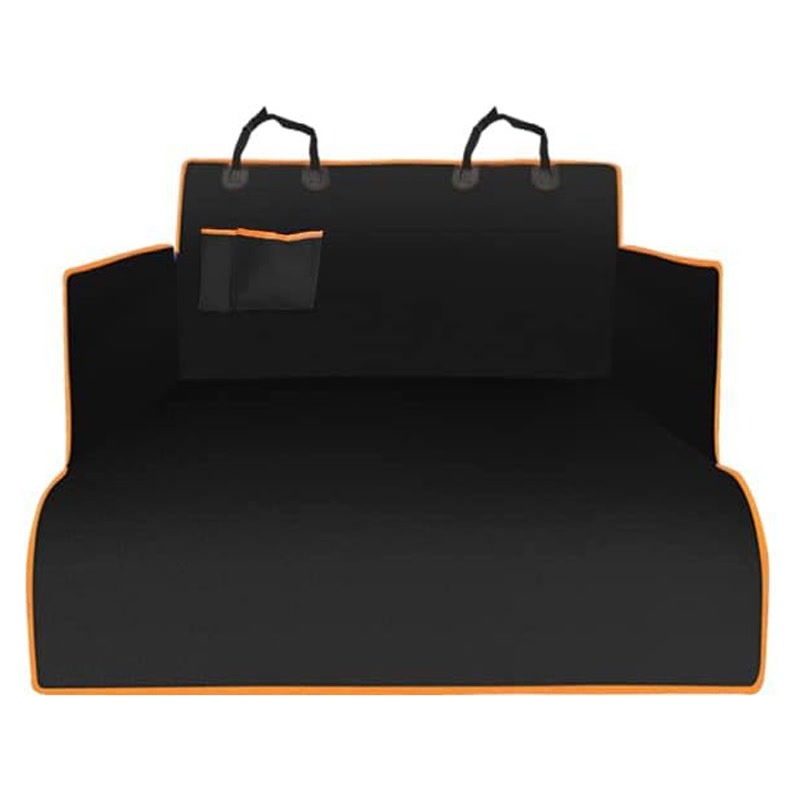
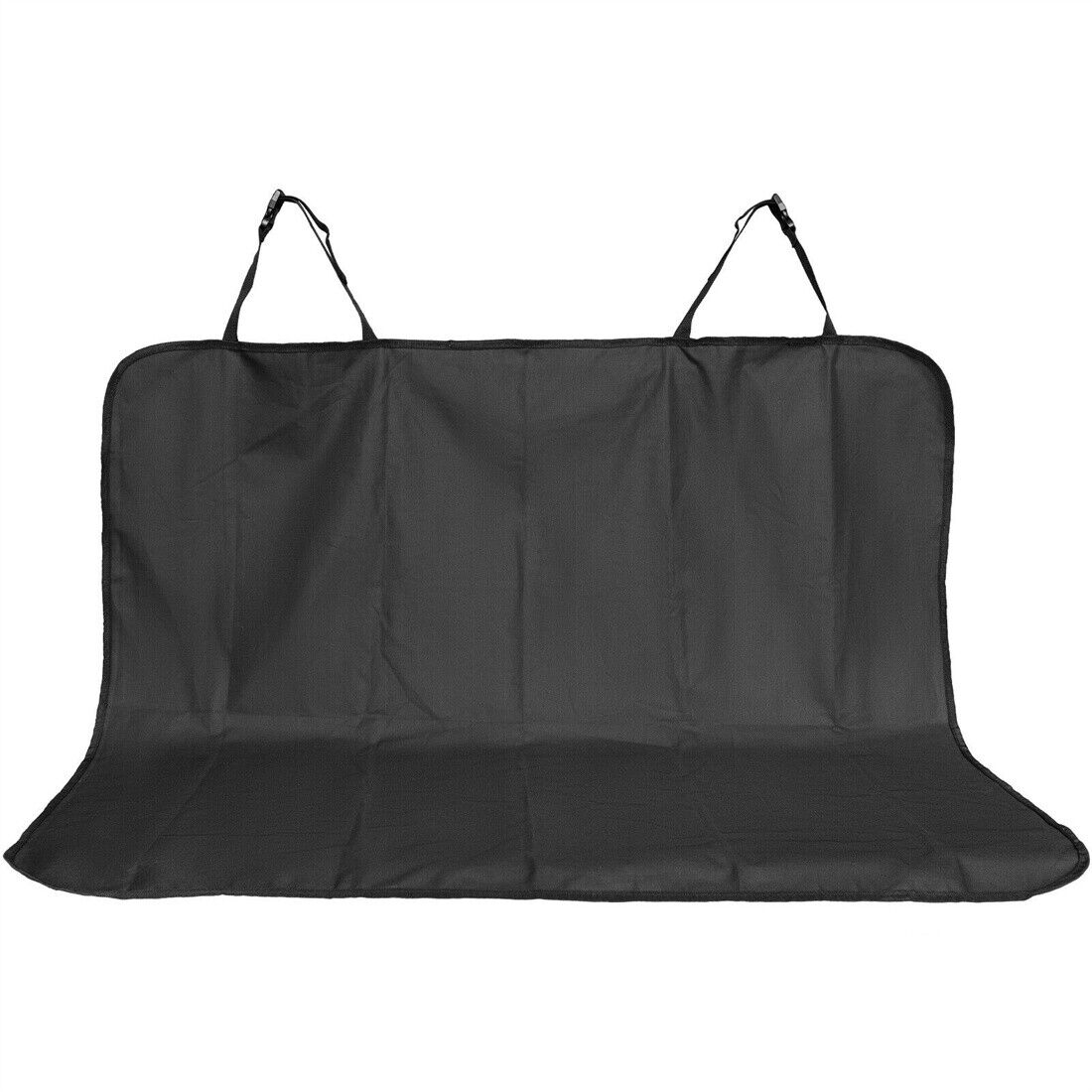
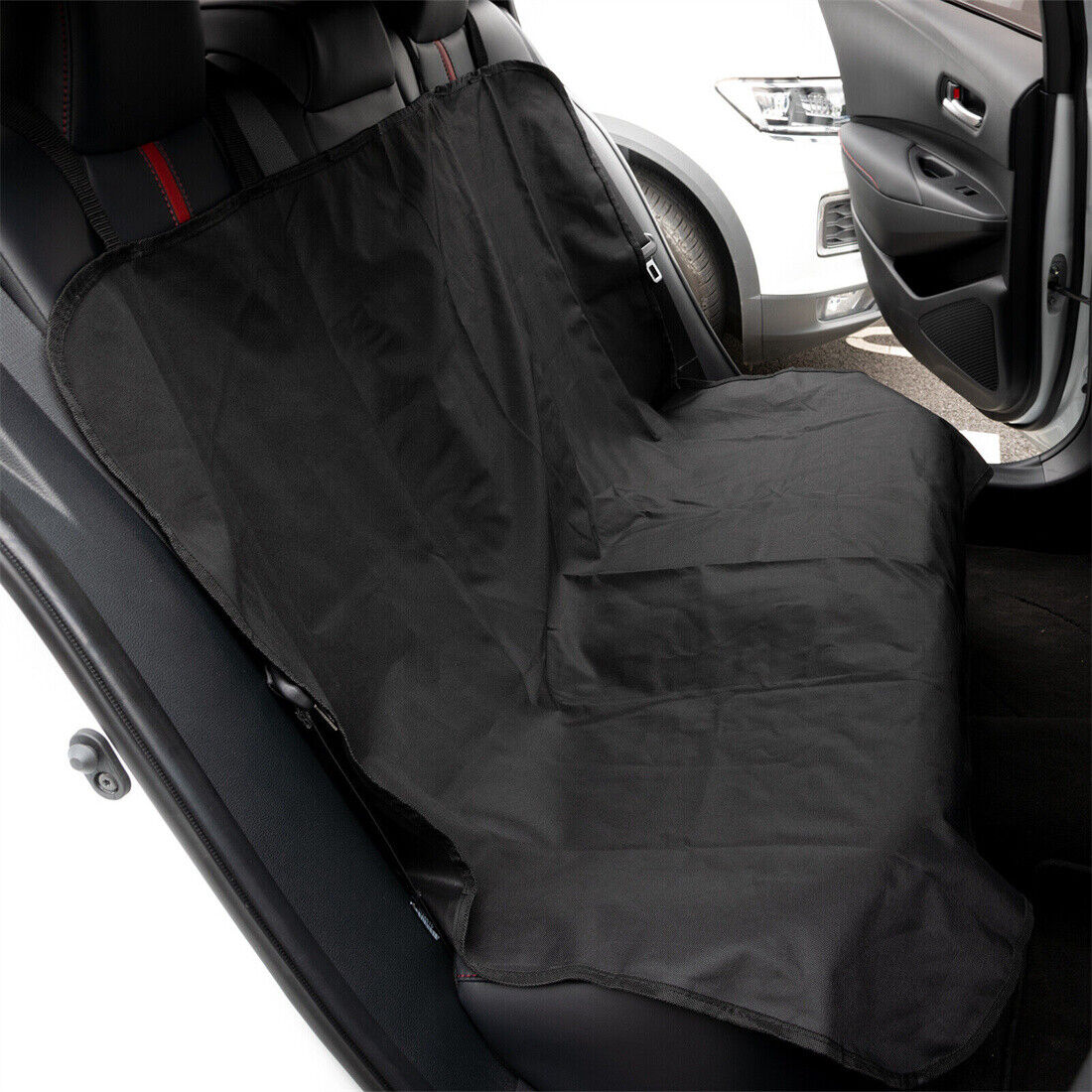
If you drive to your walks, keep a spare towel in the car too. Our guide to keeping your car clean after muddy walks has more ideas.
Step 1: Let them shake first
Dogs are very good at shaking off water, so let them do it outside rather than in the hall. Then stand well back. If you'd like a shake on cue, say a word such as "shake" each time they do it naturally, and reward them. Some dogs pick it up quite quickly.
Step 2: Squeeze, then rub
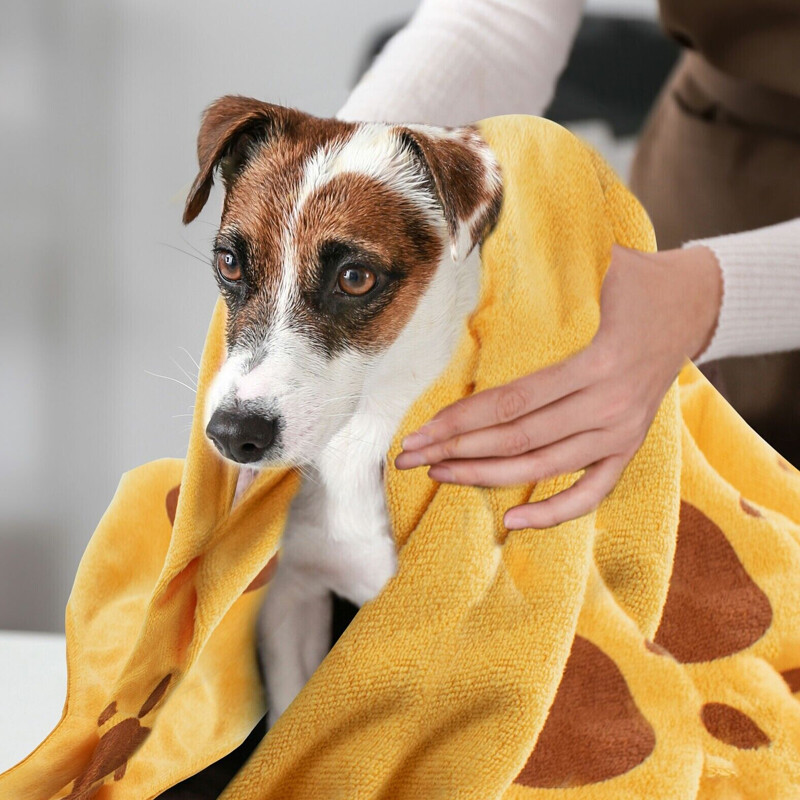
Start with the wettest areas: back, chest and tummy. Squeeze water out of the coat with a towel, pressing and lifting rather than scrubbing. Then rub gently in the direction the fur grows. On long or curly coats, hard rubbing tangles the fur, so stick to squeezing and patting.
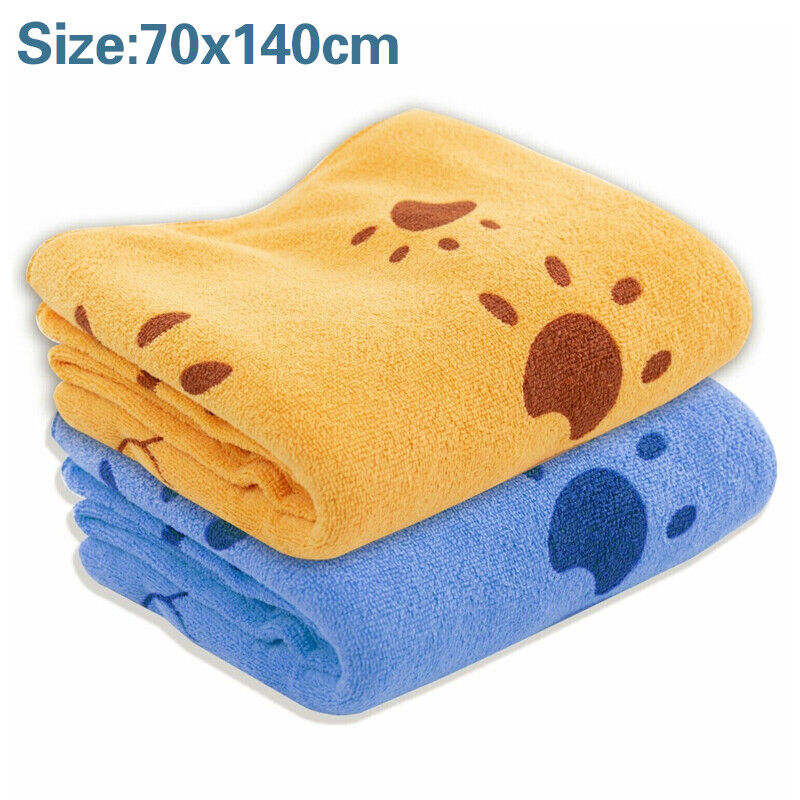
Thin microfibre towels are handy here. They're easier to work into legs and armpits than a bulky bath towel. Our large microfibre dog towels come in a pack of two, so one can be in the wash.
Step 3: Don't forget the hidden bits
Water and mud hide in the places a quick towel misses:
- Paws. Wipe each foot and check between the toes and pads for mud, grit and little stones.
- Armpits and tummy. Lift each leg and dry underneath.
- Ears. Gently dry the ear flap and outer ear with a towel. Never push anything into the ear canal.
- Tail and feathering. Long fur on the legs and tail holds plenty of water. Squeeze it along its length.
Step 4: Keep them warm while they finish drying
Towelling gets the worst off, but most dogs stay damp for a while afterwards. Keep them somewhere warm and out of draughts, with a dry bed or blanket to lie on. Small dogs, short coats, puppies and older dogs often feel the cold more.
A drying coat can help at this stage. It's a towelling coat your dog wears while they dry off, so they can get on with their day while the fabric soaks up water from their fur.
Step 5: Using a hairdryer (only if your dog is happy)
Some dogs don't mind a hairdryer. Plenty do. If yours is relaxed about it:
- use the lowest heat setting, or the cool setting
- hold it well away from the skin and keep it moving
- never point it at their face, eyes or ears
- check their skin with your hand as you go, because it's easy to overheat a spot without noticing
If your dog backs away or looks worried, stop. Towels and a warm room will get there, just a bit more slowly.
Step 6: Brush once they're dry
For long, thick or double coats, a quick brush once they're fully dry helps stop tangles and mats forming. Double-coated dogs can stay damp underneath long after the top layer feels dry, so part the fur and check close to the skin.
Quick dos and don'ts
- Do dry your dog before they settle in the car or their crate, so they're not lying on wet bedding.
- Do wash towels often. Skip the fabric conditioner on microfibre, as it can coat the fibres.
- Do keep a dry towel by the back door all winter. You'll use it.
- Don't use a hot hairdryer close up.
- Don't leave a wet dog somewhere cold to dry on their own.
When to call the vet
A little shivering after a cold, wet walk usually settles once your dog is dry and warm. If they're shivering hard and it doesn't stop, or they seem weak, unsettled or just not themselves, ring your vet for advice.
Once it's a habit, drying off becomes part of the walk: shake, squeeze, paws, ears, warm spot. Your dog gets a fuss, and your floor gets a fighting chance.